
How to Explain a Thought Experiment or Paradox in a Short Animated Video
Turn a puzzle from philosophy, game theory, probability or economics into a video that makes viewers think: the six-beat structure, how each kind is shown on screen, and requests you can copy.
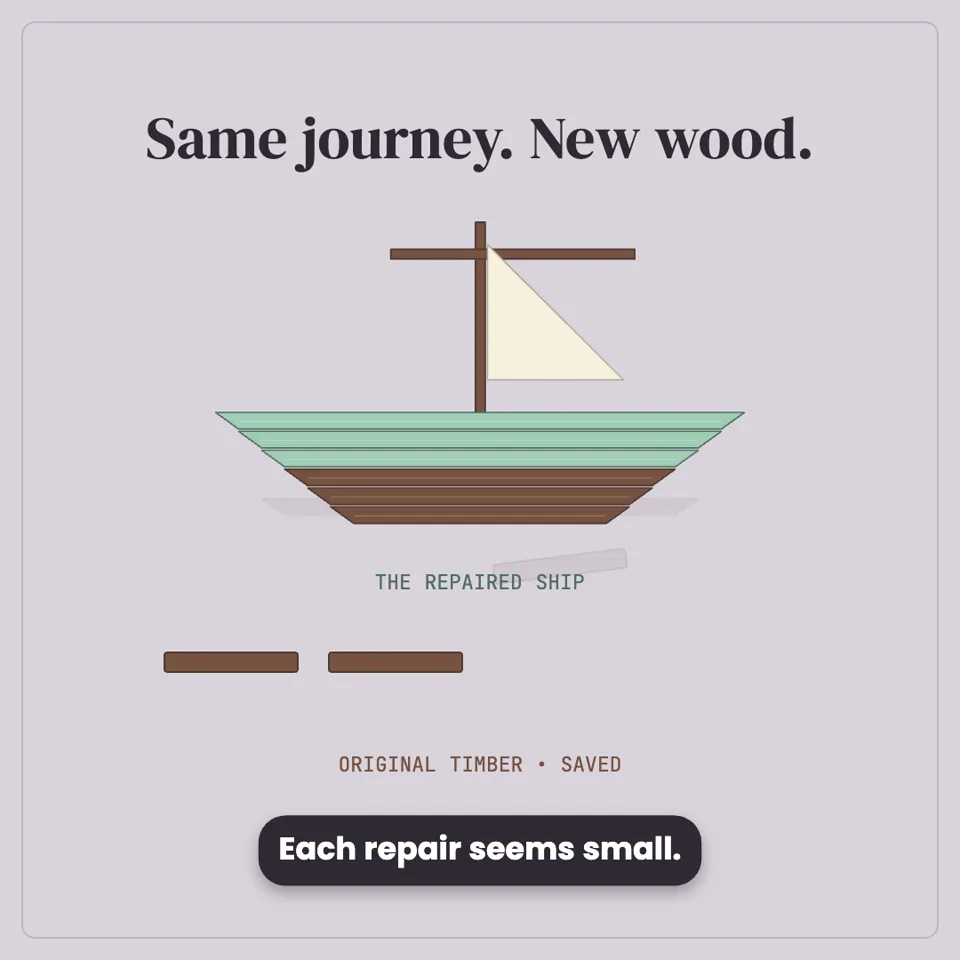
Replace every plank of a ship, one at a time. Is it still the same ship? Now build a second ship from the old planks. Which one is the original? Thought experiments and paradoxes are some of the oldest teaching tools there are, and they are perfect for video: a short scenario, a question the viewer cannot help answering, and a twist that makes them reconsider.
This guide shows how to turn a thought experiment, a paradox or a puzzle from philosophy, economics or probability into a short animated video, by describing it to an AI agent.
Why paradoxes hold attention
A paradox asks the viewer to commit to an answer and then shows them a reason to doubt it. That small moment of “wait, that is not right” is what keeps people watching to the end, and what makes them comment. The structure almost writes itself:
- The setup. The scenario, in a few seconds, drawn rather than described.
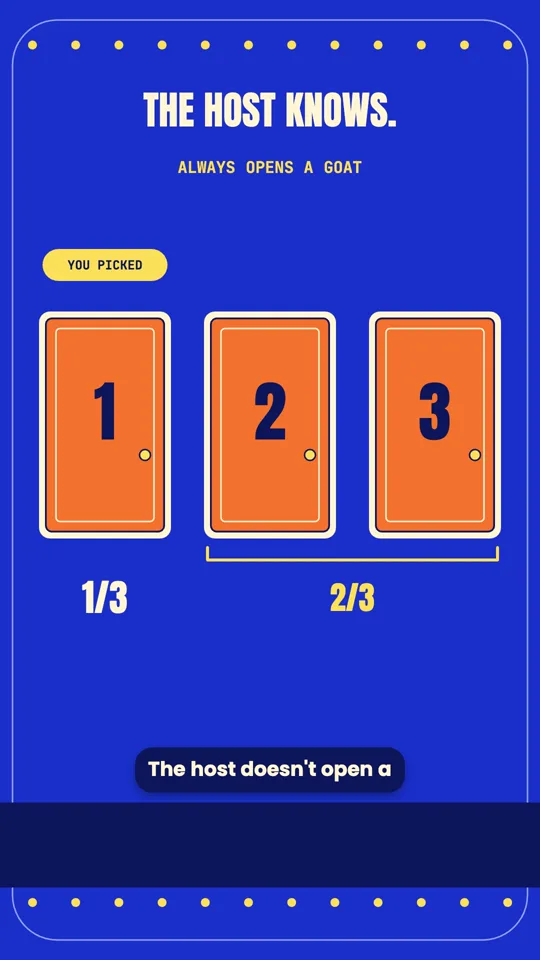
- The question. Asked directly to the viewer: “Is it still the same ship?”, “Should you switch doors?”.
- The obvious answer. What most people say, and why it feels right.
- The twist. The detail that breaks the obvious answer.
- The positions. The main ways people resolve it, side by side.
- The close. A resolution if there is one, or the question handed back to the viewer if there is not.
How each kind is shown
| Kind | What works on screen | Example |
|---|---|---|
| Philosophy | The scenario drawn step by step; the competing views as two cards side by side. | The Ship of Theseus, the trolley problem. |
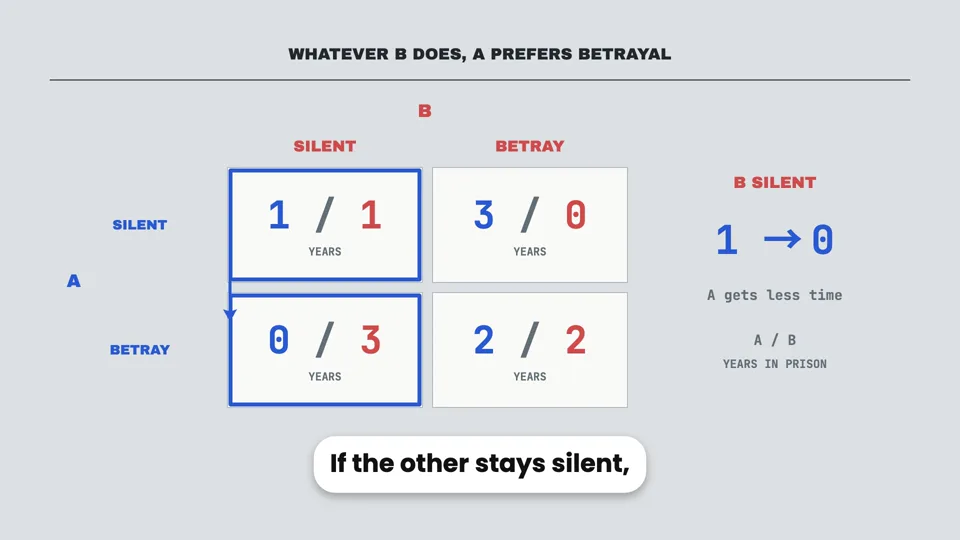
| Game theory | A payoff table with one cell highlighted at a time; repeated rounds counted. | The prisoner’s dilemma. |
| Probability | The odds as a chart; the game played many times with a running tally. | Monty Hall, the birthday paradox. |
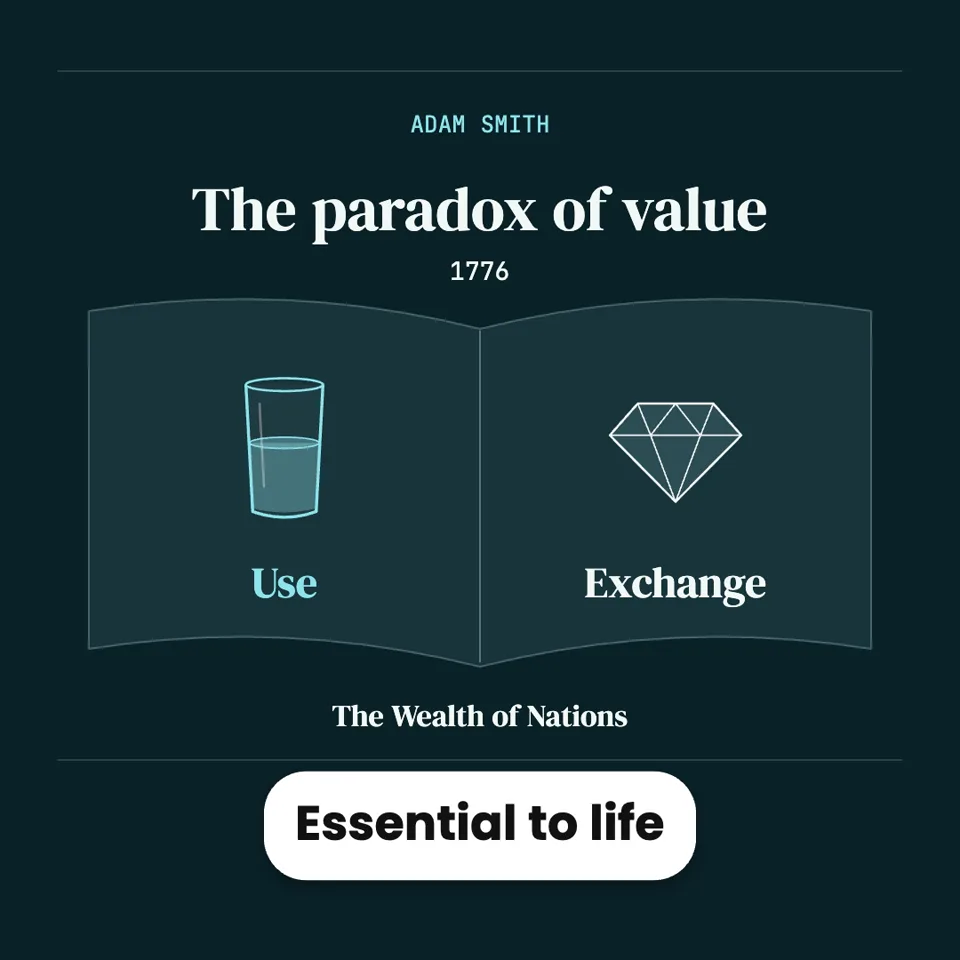
| Economics | Two quantities compared, then the one step that changes the answer. | Why diamonds cost more than water. |
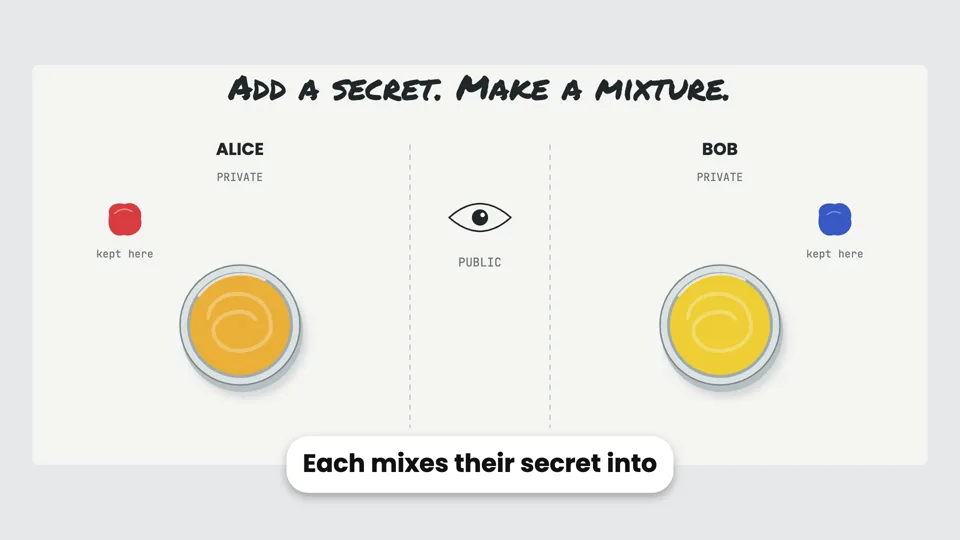
| Analogy for a hard idea | An everyday picture that stands in for the abstract one. | Mixing paint to explain how two computers agree on a secret. |
Step by step
- Name the puzzle and the angle. Say which version you want and what the video should leave the viewer with: an answer, the main positions, or an open question. A 60-second square video on the Ship of Theseus. Show planks being replaced one by one, then a second ship built from the old planks. Present three views: same material, same history, it depends what we mean by “same”. End by asking the viewer which ship they think is the original.
- Check the outline for the twist. The agent’s outline opens on a hook. For a paradox, make sure the twist has its own beat, not a sentence squeezed into the explanation.
- Read the script for fairness. If the video presents positions, each should be stated in a way its defenders would accept. Ask for changes before anything is recorded.
- Watch, fix by asking, download. “Pause after the question so the viewer has time to answer.” “Make the two cards appear one after the other.” Then export the MP4.
Requests you can copy
Where these videos are useful
- Philosophy and ethics classes: a video to open the discussion, with the question left open.
- Economics and statistics lessons: the counter-intuitive result shown before it is explained.
- Channels on ideas and psychology: a series of famous puzzles, one a week.
- Debate and critical thinking: two positions, stated fairly, for students to argue.
Questions
Does the video have to give an answer?
No. Say in your request whether you want a resolution, the main positions, or an open question for the viewer. For classroom use, an open ending is often better.
Can it include a formula or a proof?
Yes. Formulas are written on screen term by term as they are explained, which suits puzzles like Zeno’s, whose answer is a sum.