How to Turn a Moment From the History of Science Into a Short Story Video
Tell a discovery the way it happened: the puzzle, the person, the experiment and the twist, with names, dates and evidence on screen. With story ideas from science and medicine and a routine for getting the history right.
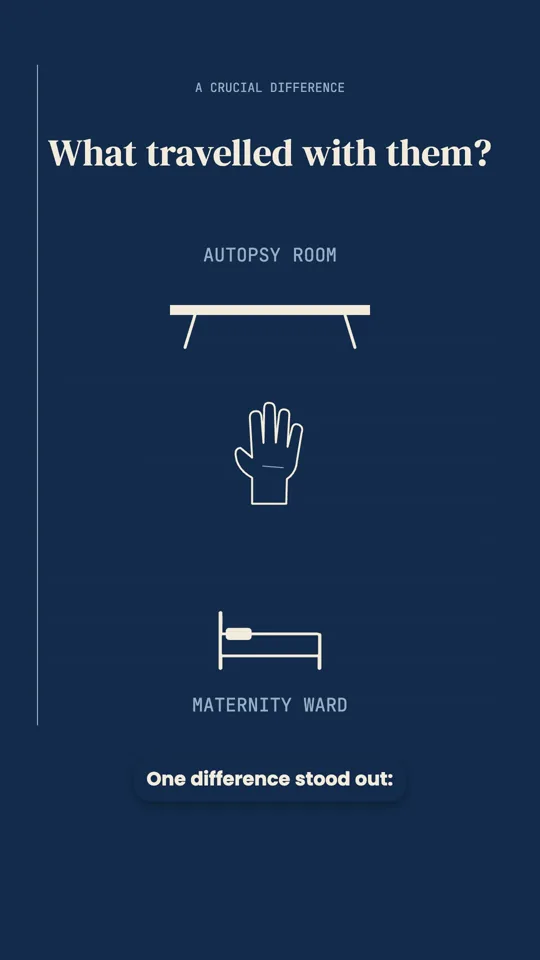
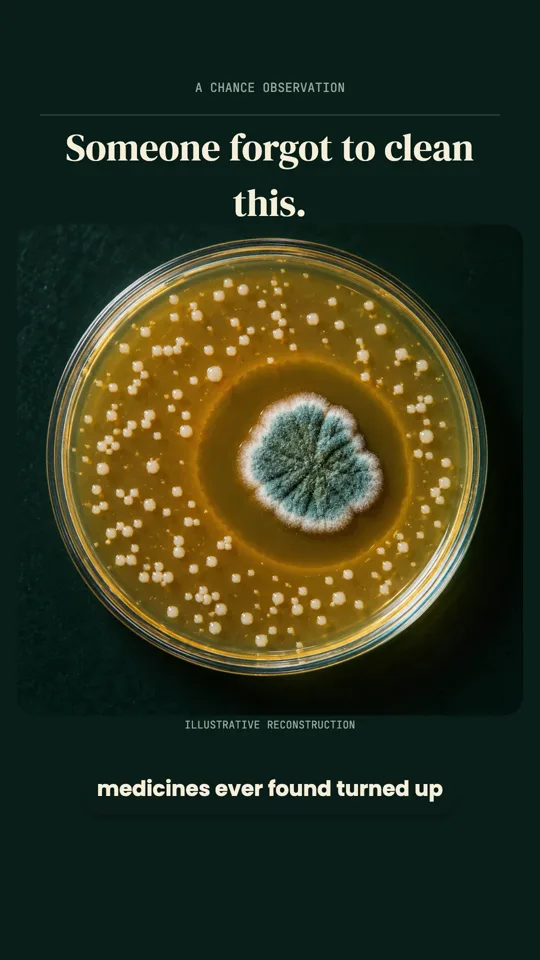
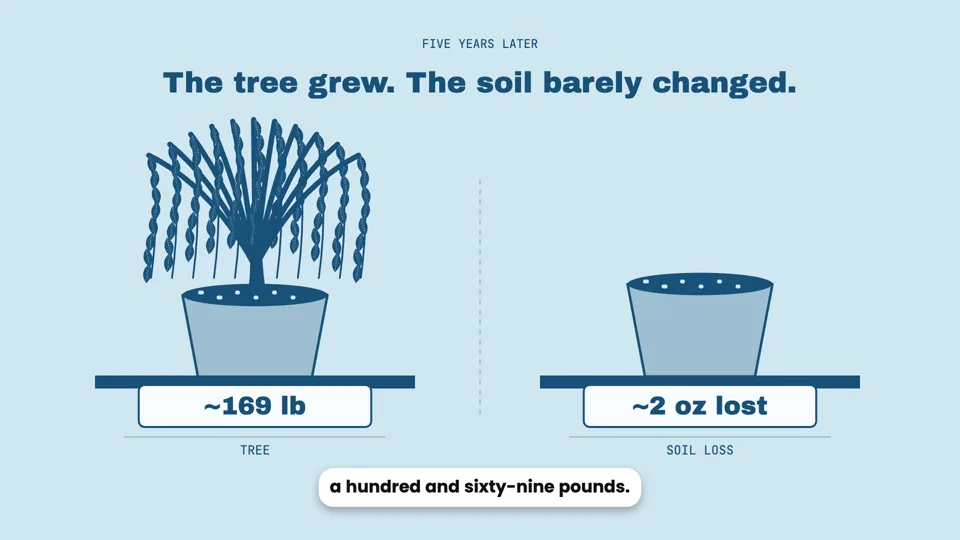
Some of the best stories in science are only a few minutes long. A doctor in 1840s Vienna notices that one maternity ward is far deadlier than the other. A researcher comes back from holiday to find mould on a forgotten dish, and a ring around it where no bacteria grow. A scientist weighs a willow tree and its soil for five years and finds the soil barely changed. Each has a puzzle, an experiment and a twist, which is everything a short video needs.
This guide shows how to turn a moment from the history of science or medicine into a narrated story video, with the people, the dates and the evidence on screen, by describing it to an AI agent.
The shape of a good science story
Stories from the history of science work when they follow the discovery the way it happened, not the way a textbook summarises it. Five beats cover almost every one:
| Beat | What it does | Example: handwashing |
|---|---|---|
| The puzzle | Something does not add up. | Two wards in the same hospital, and far more mothers die in one of them. |
| The person | Who noticed, and where. | Ignaz Semmelweis, Vienna, the 1840s. |
| The test | What they tried, and the evidence. | Doctors wash their hands; the deadlier ward’s numbers fall. |
| The twist | Why it was not the end of the story. | His colleagues refuse to accept it. |
| Why it matters now | The line back to the viewer’s life. | Every hand sanitiser by a hospital door. |
The agent proposes an outline before anything is made, and it opens every video with a hook. For a story, the strongest hook is usually the puzzle itself, not the person’s name.
What goes on screen
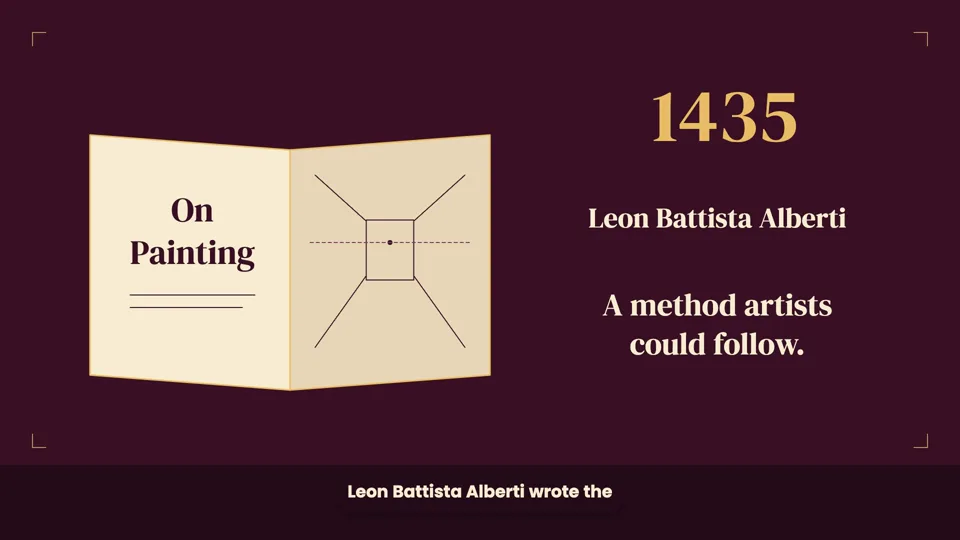
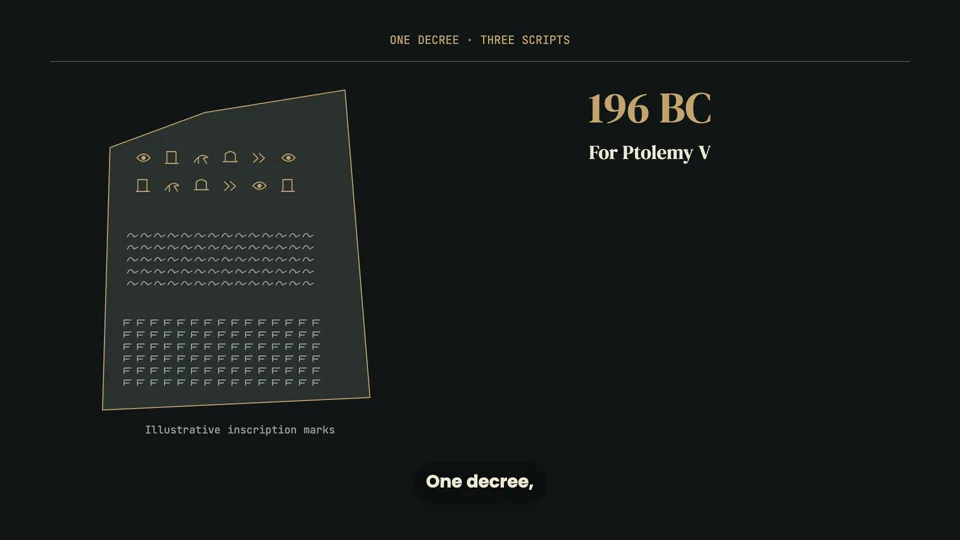
- Names and places. A name strap when a person first appears, and a pin on the map for where it happened.
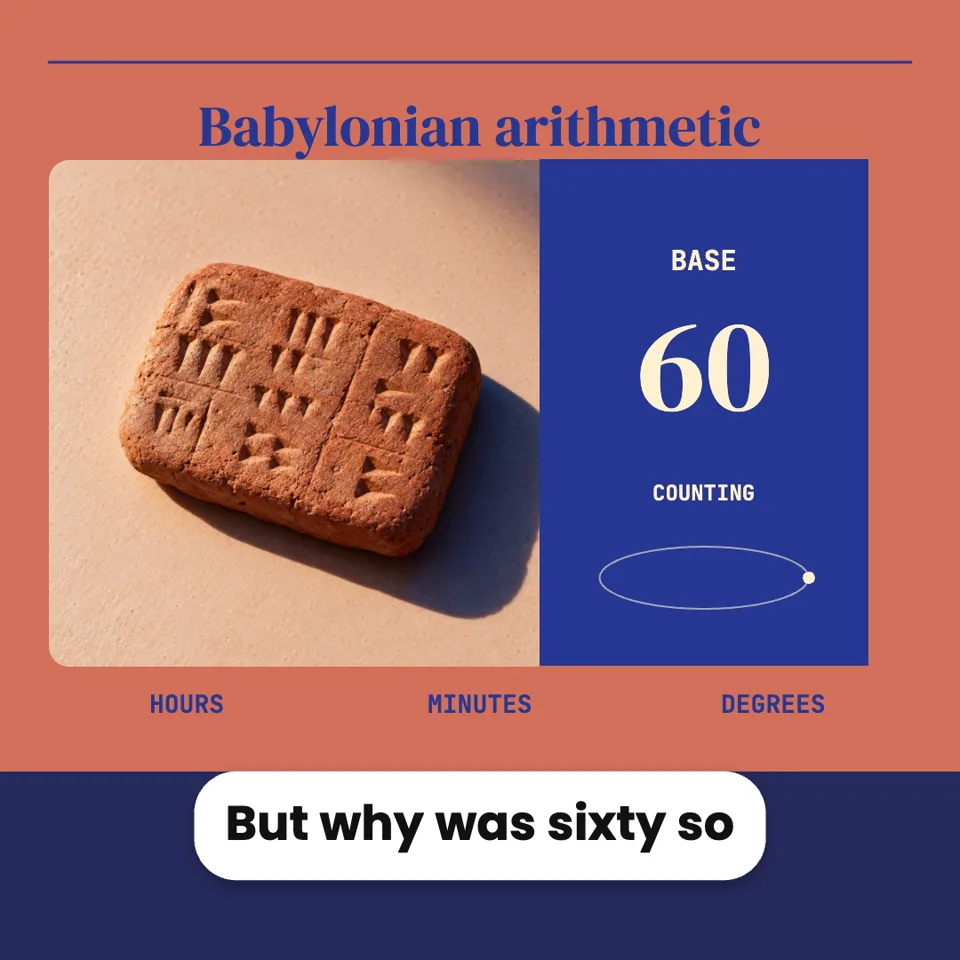
- The evidence, as data. If the story turns on numbers, such as death rates in two wards or the weight of a tree and its soil, they are drawn as a chart or a counter, from the figures you give.
- A timeline. Years appear in order as the narration reaches them, so a story spanning decades stays easy to follow.
- A quotation. A line from a letter, a paper or a lab notebook, revealed word by word.
- Period scenes. AI pictures for the setting: a 19th-century ward, a cluttered laboratory, a Renaissance street. The names, dates and numbers are set as text on top, never inside the picture.
Step by step
- Choose one moment, not a whole life. “Fleming’s career” is a documentary. “The dish he left behind when he went on holiday” is a short.
- Give it your source. Paste the passage you trust, or link to a public page about the event. Popular science stories pick up myths as they are retold, so building from one good source matters more here than anywhere. A 60-second vertical story about Semmelweis and handwashing. Use the figures from this page: [link]. Open on the two wards. Show the death rates as two bars, then the drop after handwashing began. End on why it was ignored.
- Answer the questions. Format, voice, look, pictures and the outline. A calm, warm voice suits most history; the agent suggests a few.
- Check names, dates and numbers in the script. Everything the video claims is in the narration you approve.
- Watch, fix by asking, download. “Show the year before the narration says it.” “The second ward’s bar should be red.” Then export the MP4 from the preview.
Getting the history right
- Watch for the famous version. Many discovery stories have a neat popular version and a messier real one. If you know the difference, tell the agent which to follow.
- Ask for hedging where it belongs: “about”, “by some accounts”, “historians still debate”. The agent already rounds or qualifies figures it is unsure of; ask for the same with claims.
- Keep history and advice apart. A video about the history of a medicine is not health advice, and the narration should not sound like it.
Story ideas from science and medicine
- Accidental discoveries: the microwave, X-rays, the pacemaker.
- Experiments that settled an argument: a willow in a pot, light through a prism, a bell jar and a candle.
- People who were right too early: handwashing, continental drift, germ theory.
- Inheritances we still use: 60 minutes, the 24-hour day, the names of the days.
- Firsts in medicine: the first vaccine, the first anaesthetic, the first antibiotic.
For a classroom, a story video makes a good opening to a topic: students meet the puzzle before the explanation. For a channel, one story a week from a single field builds a series people come back for.
Questions
Can I use real archive photos?
Yes, if you have the right to use them. Upload them and say where they belong; the agent can zoom into a detail or point at part of a photo as the narration mentions it.
Can the story be told in another language?
Yes. The narration and on-screen text can be in any of the nine supported languages; names and places stay as they are written in that language.