How to Make Etymology Videos: Word Origins, Spelling and Language History
Make videos about where words come from and why they are spelled the way they are: typography in motion, handling old and foreign pronunciations, avoiding folk etymology, and ideas for language teachers.
Why does “knight” have a k? Why is “OK” spelled with two letters that are not in “okay”? Questions about words are some of the most shared on any platform, because everyone uses the words and almost nobody knows the answer. They are also unusually easy to make into videos: the main character is the word itself, and words are something animation handles beautifully.
This guide covers how to make etymology, spelling and language history videos by describing them to an AI agent, and how to avoid the one problem that sinks most word-origin content: stories that are not true.
What makes word videos different
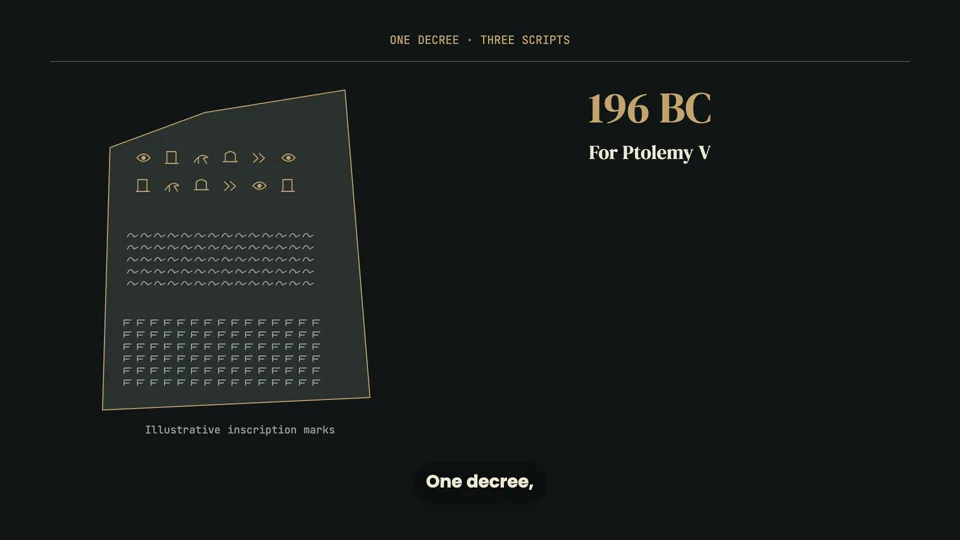
In most explainers, text supports the picture. In a word video, the text is the picture. That means the visuals are mostly typography in motion:
- A word breaking into its parts, and the parts moving to their languages of origin.
- Letters changing one at a time as a word moves through the centuries.
- A silent letter highlighted, then explained.
- The same word in several languages, side by side in a table.
- A timeline of when a word first appears in writing, and how its meaning shifts.
- A map showing where a word or a language travelled.
Step by step
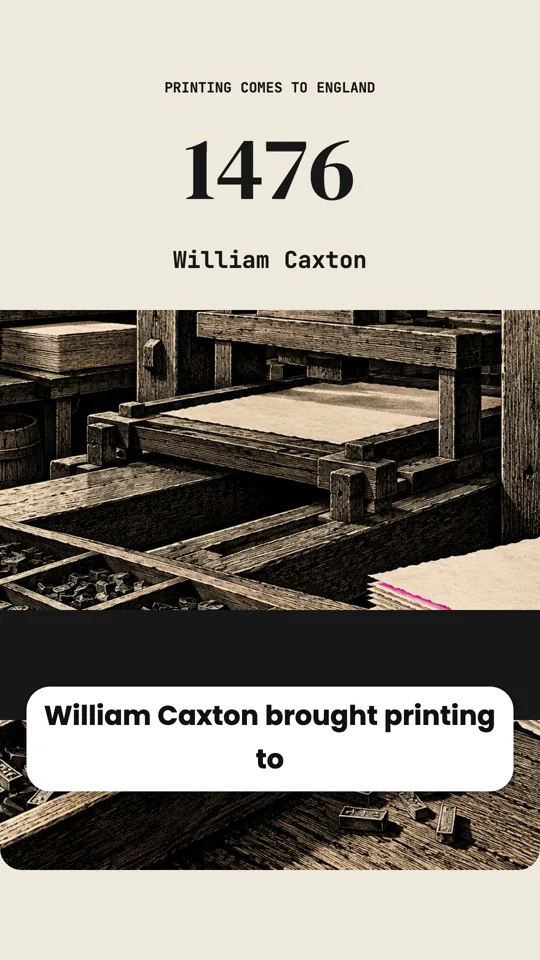
- Start with a word people already wonder about. The best questions come from noticing something odd: a silent letter, a spelling that does not match the sound, a word that means its opposite, two words that sound alike but are spelled differently. A 60-second vertical video: why “knight” has a silent k. Show the word as it was spelled and pronounced in Middle English, then how printing fixed the spelling while the sound kept changing. End with three other words with the same story.
- Give the agent your source. Paste the dictionary entry or the passage you trust, or link to a public page. Word origins are where myths spread fastest, so this step is not optional.
- Pick a look that suits type. Word videos live or die on typography. When the agent offers looks, choose one where the words themselves can carry the frame: a strong typeface on a calm background, rather than busy pictures behind the text.
- Check the script, and listen to the voice. Read the narration for accuracy, then listen to how the voice says any old or foreign forms. See the note below.
- Fix by asking, then download. “Hold the old spelling on screen longer.” “Highlight the k in red.” Then export the MP4.
Avoiding folk etymology
A large share of popular word stories are false: neat explanations invented after the fact and repeated until they sound true. Acronym origins are the most common kind; very few old words began as acronyms. A word video that repeats one gets corrected in the comments, and the channel loses trust.
- Work from a dictionary or a scholar, not from a list of “fun facts”.
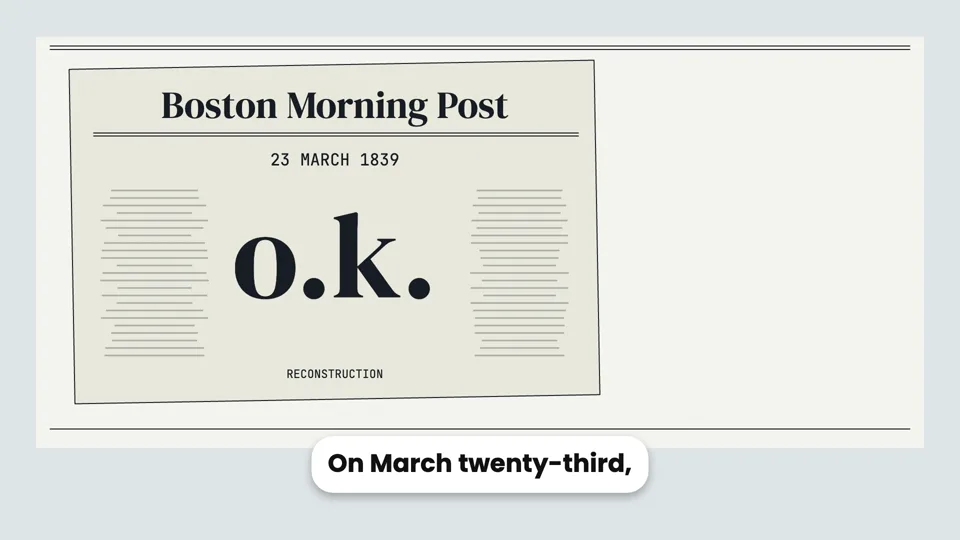
- If a popular story is false, make that the video. “The real story of OK” beats the myth: the OK video in our gallery follows the newspaper joke and the 1840 campaign slogan that the research supports.
- Say “probably” and “the earliest record we have” where the evidence is thin. The agent already qualifies what it is unsure of; ask it to keep those words in.
Requests you can copy
For language teachers
The same tools make short videos for learners. The narration can be in one of the nine supported languages while the words on screen are in the language being learned: explain English spelling rules in Spanish, or Chinese characters in English. Keep the target-language words on screen, where they are exact, and listen to how the voice reads them before you export.
Good short topics for learners: a silent letter rule, a family of words from one root, false friends between two languages, the story behind an idiom.
Ideas for a language series
- Silent letters: knight, island, debt, salmon, each with its own story.
- Words that changed meaning: nice, silly, awful, girl.
- Myths about words, and what really happened.
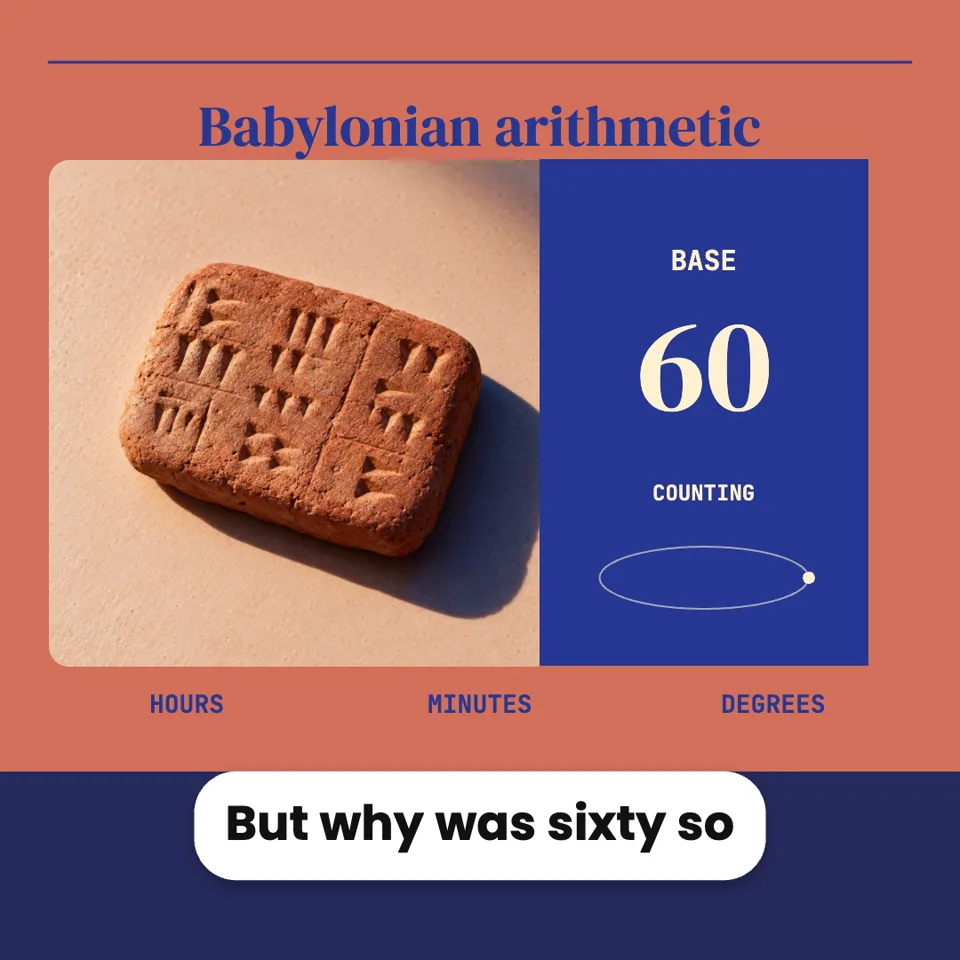
- Everyday names: days, months, planets, units of time.
- Writing systems: how an alphabet, a syllabary and characters each work.
Questions
Can the video show Chinese, Japanese or Korean text?
Yes. Text in those scripts is set in a font made for them, on screen and in the captions.
Can I make a video with no voice, just text?
Yes. Choose “No voiceover” in the first form and the video is designed to be read, with each word on screen long enough to read. It suits word videos well.